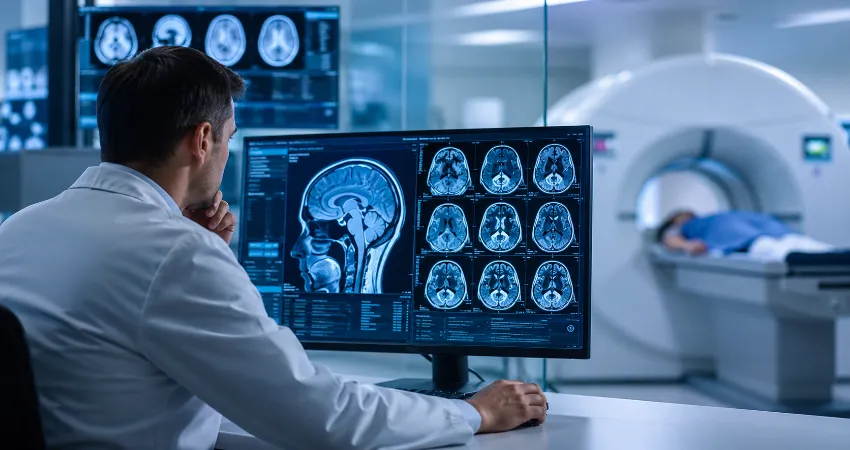
Neurological conditions can affect every aspect of daily life, from movement and memory to speech, balance, and overall independence. Whether someone is seeking treatment for epilepsy, stroke recovery, Parkinson’s disease, multiple sclerosis, or complex brain disorders, choosing the right hospital is one of the most important healthcare decisions they can make.
Liverpool is home to several highly respected hospitals that provide neurological care through experienced consultants, advanced diagnostic technology, multidisciplinary rehabilitation teams, and access to specialized services. While every patient’s needs are different, understanding each hospital’s strengths can help individuals and families make more informed decisions.
This guide explores the top hospitals in and around Liverpool for neurology based on their specialist services, reputation, multidisciplinary care, accessibility, research involvement, and patient support. Rather than ranking solely by popularity, this article focuses on the overall quality and breadth of neurological care available.
How We Evaluated These Hospitals?
When reviewing neurological hospitals, several important factors were considered. These include specialist neurology departments, stroke care, neurosurgical support, neurophysiology services, rehabilitation programs, imaging facilities, multidisciplinary collaboration, patient-centered care, and involvement in neurological research and education. Hospitals offering comprehensive neurological pathways generally provide better continuity of care for both common and complex neurological conditions.
Top 15 Best Hospital In Liverpool For Neurology
1. The Walton Centre NHS Foundation Trust
The Walton Centre is widely recognized as one of the UK’s leading specialist neuroscience hospitals. Dedicated almost entirely to neurological and neurosurgical care, it offers expert services for epilepsy, Parkinson’s disease, multiple sclerosis, headaches, brain tumors, spinal disorders, and complex neurological conditions. Patients also benefit from advanced diagnostic imaging, neurophysiology, rehabilitation services, and specialist outpatient clinics. Its strong research culture ensures patients often have access to innovative treatments and clinical expertise.
2. Royal Liverpool University Hospital
As one of Liverpool’s major teaching hospitals, Royal Liverpool University Hospital provides comprehensive neurological services alongside emergency medicine and acute stroke care. Its close collaboration with neuroscience specialists allows patients requiring urgent neurological assessment to receive coordinated treatment supported by modern diagnostic technology.
3. Aintree University Hospital
Aintree University Hospital plays an important role in neurological diagnosis and treatment across the Liverpool region. The hospital offers specialist stroke services, neurological investigations, rehabilitation, and multidisciplinary care designed to improve long-term patient outcomes.
4. Liverpool University Hospitals NHS Foundation Trust
Combining multiple hospital sites, this trust delivers integrated neurological care across Liverpool. Patients benefit from coordinated services involving neurologists, rehabilitation specialists, imaging departments, therapists, and specialist nursing teams working together throughout diagnosis and recovery.
5. Clatterbridge Hospital
Although primarily known for cancer care, Clatterbridge Hospital provides valuable neurological support for patients experiencing neurological complications related to cancer, including nerve disorders, brain tumors, and treatment-related neurological conditions.
6. Broadgreen Hospital
Broadgreen Hospital contributes to neurological rehabilitation by supporting patients recovering from strokes, spinal conditions, and long-term neurological illnesses. Rehabilitation specialists, physiotherapists, occupational therapists, and speech therapists work closely to maximize recovery.
7. Arrowe Park Hospital
Located within easy reach of Liverpool, Arrowe Park Hospital offers neurological outpatient services, acute stroke care, diagnostic testing, and rehabilitation. The hospital serves a large regional population with comprehensive neurological assessment services.
8. Southport Hospital
Southport Hospital provides neurological clinics alongside stroke management and rehabilitation services. Patients benefit from coordinated referrals to specialist neuroscience centers when advanced treatment is required.
9. Whiston Hospital
Whiston Hospital offers neurological consultations, emergency stroke services, imaging facilities, and rehabilitation support. Its integrated approach allows patients to receive both acute treatment and ongoing neurological management.
10. Countess of Chester Hospital
Although located outside Liverpool, Countess of Chester Hospital is frequently considered by patients in the surrounding region. It provides neurology outpatient clinics, diagnostic investigations, and coordinated care with regional neuroscience specialists.
11. St Helens Hospital
St Helens Hospital supports neurological patients through outpatient consultations, rehabilitation programs, and collaborative care with specialist hospitals. Many patients receive ongoing monitoring and therapy closer to home.
12. Ormskirk District General Hospital
This hospital offers neurological assessment clinics and works closely with larger neuroscience centers for complex referrals. Patients benefit from accessible follow-up care and coordinated treatment planning.
13. Warrington Hospital
Warrington Hospital provides neurology outpatient services, stroke management, diagnostic imaging, and rehabilitation. Multidisciplinary collaboration helps patients manage chronic neurological conditions effectively.
14. Alder Hey Children’s Hospital
For pediatric neurology, Alder Hey Children’s Hospital is among the UK’s most respected centers. Children receive specialist diagnosis and treatment for epilepsy, developmental neurological disorders, genetic neurological diseases, headaches, movement disorders, and complex pediatric neurological conditions.
15. Cheshire and Merseyside Regional Neurological Network
Although not a single hospital, this regional network connects specialist neurological services across multiple healthcare providers. The collaborative approach allows patients to access appropriate expertise while ensuring continuity of care across different stages of treatment.
What Makes a Good Neurology Hospital?
Choosing a neurology hospital involves more than looking at reputation alone. Patients should consider consultant expertise, access to MRI and CT imaging, neurophysiology laboratories, rehabilitation services, specialist nursing support, waiting times, multidisciplinary clinics, and availability of advanced treatment options. Hospitals with integrated care pathways often provide smoother diagnosis, treatment, rehabilitation, and long-term management.
Common Neurological Conditions Treated
Leading neurology hospitals in Liverpool commonly diagnose and manage epilepsy, stroke, Parkinson’s disease, Alzheimer’s disease, dementia, multiple sclerosis, migraines, peripheral neuropathy, motor neuron disease, brain tumors, spinal cord disorders, movement disorders, headaches, balance disorders, sleep-related neurological conditions, and neuromuscular diseases. Treatment plans are often personalized according to the patient’s age, medical history, symptoms, and overall health.
Tips for Choosing the Right Neurology Hospital
Patients should begin by discussing referral options with their general practitioner. It is helpful to consider whether the hospital offers specialists experienced in the specific neurological condition, provides rehabilitation services, has convenient follow-up care, and encourages multidisciplinary collaboration. Reading patient information, understanding available services, and asking questions during consultations can also help patients feel more confident about their treatment journey.
Frequently Asked Questions
1. Which hospital is considered the leading neurology hospital in Liverpool?
The Walton Centre is generally regarded as the leading specialist neuroscience hospital in Liverpool because it focuses exclusively on neurological and neurosurgical care. Its wide range of specialist clinics, experienced consultants, advanced diagnostics, and research activities make it a preferred referral center for complex neurological conditions.
2. Do I need a referral before seeing a neurologist?
In many cases, patients are referred by their general practitioner after an initial assessment. A referral helps ensure that the neurologist receives relevant medical history, previous test results, and information about current symptoms, allowing for a more efficient consultation and treatment plan.
3. What conditions do neurologists commonly treat?
Neurologists diagnose and manage disorders affecting the brain, spinal cord, nerves, and muscles. Common conditions include epilepsy, Parkinson’s disease, multiple sclerosis, migraines, neuropathy, dementia, stroke-related complications, and movement disorders. Treatment varies according to each patient’s diagnosis and overall health.
4. What tests are usually performed during neurological evaluations?
Depending on symptoms, patients may undergo MRI scans, CT scans, EEG testing, nerve conduction studies, electromyography, blood tests, cognitive assessments, or lumbar punctures. Not every patient requires every investigation, as testing is guided by clinical findings.
5. Are neurological rehabilitation services important?
Yes. Rehabilitation often plays a significant role in improving mobility, speech, balance, strength, independence, and quality of life following neurological illness or injury. Many hospitals provide coordinated rehabilitation involving physiotherapists, occupational therapists, speech therapists, psychologists, and specialist nurses.
6. Can children receive neurological treatment in Liverpool?
Yes. Alder Hey Children’s Hospital offers highly specialized pediatric neurological services for infants, children, and adolescents. The hospital provides expert assessment, diagnosis, treatment, rehabilitation, and long-term management for a wide range of childhood neurological conditions.
7. How long does neurological treatment usually last?
The duration varies depending on the condition being treated. Some neurological problems require short-term treatment and follow-up, while chronic conditions such as Parkinson’s disease or multiple sclerosis may involve ongoing monitoring, medication adjustments, rehabilitation, and regular specialist reviews over many years.
8. What should patients bring to their neurology appointment?
Patients should bring referral letters, medication lists, previous scan reports if available, symptom diaries, and any questions they wish to discuss. Having a family member or caregiver accompany the appointment may also help with remembering important information provided during the consultation.
9. Why is multidisciplinary care important in neurology?
Neurological conditions often affect multiple aspects of health. A multidisciplinary team combines expertise from neurologists, neurosurgeons, rehabilitation physicians, nurses, therapists, psychologists, and radiologists, ensuring patients receive comprehensive care that addresses both medical treatment and long-term recovery.
10. How can patients choose the most suitable hospital?
Patients should consider the hospital’s specialist expertise, available neurological services, consultant experience, rehabilitation facilities, location, waiting times, and recommendations from healthcare professionals. Selecting a hospital that offers coordinated care across diagnosis, treatment, and follow-up generally leads to a better patient experience.
Conclusion
Liverpool offers access to some of the UK’s strongest neurological healthcare services, ranging from highly specialized neuroscience centers to comprehensive teaching hospitals and regional rehabilitation facilities. The best choice depends on the patient’s specific neurological condition, treatment needs, and long-term care requirements.
By understanding each hospital’s strengths and working closely with healthcare professionals, patients can make informed decisions that support effective diagnosis, treatment, rehabilitation, and improved quality of life.

